
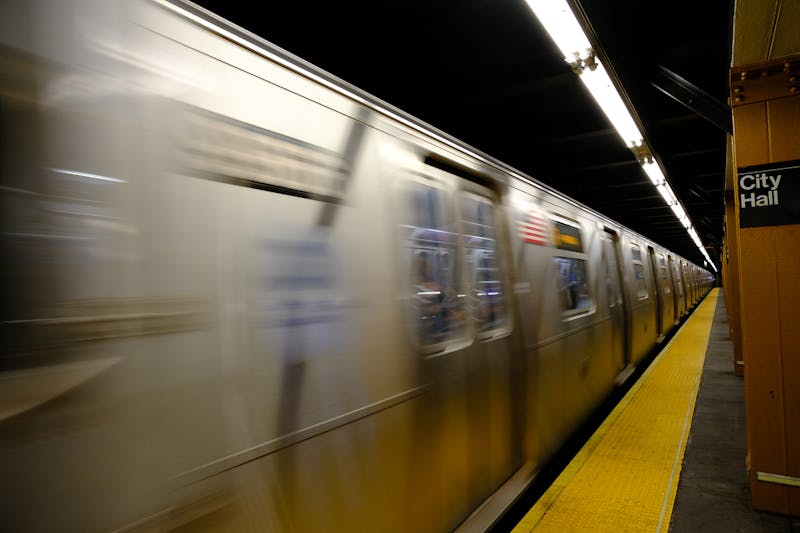
Subway systems move millions of passengers safely every day in major cities like New York. Despite strict safety regulations and advanced technology, subway derailments still occur. When they do, the consequences can be severe causing serious injuries, widespread service disruptions, and in rare cases, fatalities.
Understanding the common causes of subway derailments is important for both public safety and legal accountability. When derailments occur because of negligence, poor maintenance, or safety violations, injured passengers may have the right to pursue compensation.
At The Law Offices of Michael S. Lamonsoff, we represent victims of public transportation accidents across New York City. Known as “The Bull,” Michael S. Lamonsoff aggressively fights for injured passengers and holds transit authorities accountable when safety failures cause harm.
What Is a Subway Derailment?
A subway derailment occurs when a train leaves the tracks or when one or more train cars move off the rail alignment. Even partial derailments can be dangerous because they may cause train cars to collide with infrastructure, other cars, or tunnel walls.
Subway derailments can happen:
- Inside tunnels
- At track switches
- At stations
- During maintenance operations
- On elevated or outdoor tracks
While derailments are relatively rare compared to other transit incidents, they often result from preventable safety failures.
1. Track Defects and Poor Maintenance
One of the most common causes of subway derailments is deteriorated or poorly maintained track infrastructure.
Subway tracks experience constant wear from heavy trains running day and night. Over time, components can weaken or fail if they are not inspected and repaired properly.
Common track problems include:
- Broken rails
- Loose fasteners
- Misaligned track sections
- Worn-out rail joints
- Track buckling due to heat
If transit authorities fail to conduct regular inspections or delay necessary repairs, the risk of derailment increases significantly.
2. Malfunctioning Switches and Signals
Track switches are mechanical devices that guide trains from one track to another. When switches malfunction, trains may be directed onto the wrong track or enter a switch at unsafe speeds.
Signal systems also play a crucial role in maintaining safe spacing between trains.
Failures may include:
- Signal communication errors
- Electrical faults
- Improper switch alignment
- Software glitches in automated systems
If switches or signals fail, trains may derail when attempting to change tracks.
3. Excessive Train Speed
Operating a train above safe speed limits is another major factor in derailments. Speed restrictions are carefully designed based on track conditions, curves, and station approaches.
If an operator travels too fast, the train may lose stability and derail particularly through:
- Sharp curves
- Switch points
- Work zones
Operator error, inadequate training, or pressure to maintain tight schedules can sometimes contribute to speeding incidents.
4. Mechanical Failure of Train Components
Subway trains are complex machines with numerous mechanical systems that must function properly.
Critical components include:
- Wheels
- Axles
- Braking systems
- Suspension components
- Couplers between cars
Mechanical failures in any of these parts can cause instability and derailment. In some cases, defective train components may lead to product liability claims against manufacturers.
5. Obstructions on the Track
Foreign objects on subway tracks can cause trains to derail, especially if the obstruction is large or located near a switch.
Examples include:
- Construction debris
- Equipment left behind during maintenance
- Fallen infrastructure
- Vehicles or large objects entering outdoor track areas
In some cases, obstructions result from negligence in maintaining safe work zones around subway tracks.
6. Human Error
Even with advanced safety systems, human error still plays a role in some subway derailments.
Examples include:
- Operator distraction or fatigue
- Failure to follow safety procedures
- Miscommunication between operators and control centers
- Improperly performed maintenance
Transit systems depend on coordinated efforts between operators, dispatchers, engineers, and maintenance crews. A breakdown in communication can lead to dangerous situations.
7. Aging Infrastructure
Many subway systems operate on infrastructure that is decades old. Aging tracks, signals, and electrical systems increase the risk of mechanical failure if upgrades and modernization are delayed.
Older infrastructure may suffer from:
- Metal fatigue
- Outdated signal technology
- Limited safety redundancy
- Increased maintenance needs
When funding or maintenance schedules fall behind, the risk of derailments can rise.
Injuries Commonly Caused by Subway Derailments
Subway derailments can cause a wide range of serious injuries, including:
- Traumatic brain injuries
- Spinal cord injuries
- Fractures and crush injuries
- Internal bleeding
- Severe lacerations
- Psychological trauma
Passengers may be injured when train cars collide, tip, or stop suddenly.
Who Can Be Held Liable After a Subway Derailment?
Determining liability after a subway derailment often requires a detailed investigation. Several parties may be responsible depending on the cause of the accident.
Potential liable parties may include:
- Transit authorities such as the MTA
- Private contractors responsible for maintenance
- Train manufacturers
- Signal system providers
- Construction companies working near track infrastructure
In many cases, multiple parties share responsibility for the conditions that caused the derailment.
Why Subway Derailment Cases Are Complex
Subway derailment claims can be legally complicated because they often involve government entities and highly technical evidence.
In New York, lawsuits against public transit agencies may require:
- Filing a Notice of Claim within 90 days
- Attending a statutory hearing
- Meeting strict legal deadlines
Investigating derailments may also involve engineering analysis, safety records, and expert testimony.
Why Choose Michael “The Bull” Lamonsoff
When a subway derailment causes injuries, victims often face powerful transit authorities and insurance companies determined to minimize liability.
Michael S. Lamonsoff has recovered more than $500 million in verdicts and settlements for injured clients. With over 150 years of combined litigation experience, our legal team prepares every case for trial.
Insurance companies know that when The Bull is involved, cases are taken seriously. We proudly represent clients in English, Spanish, and Portuguese.
Contact The Law Offices of Michael S. Lamonsoff
If you or a loved one was injured in a subway derailment or railway accident in New York City, you may have the right to pursue compensation.
Contact The Law Offices of Michael S. Lamonsoff today for a free consultation. You’re not just hiring a lawyer. You’re putting your case in the hands of a fighter. You’re hiring The Bull.