pixel
En Español Em Português
Call The Law Offices of Michael S. Lamonsoff on the phone at 212-962-1020

Available 24/7

Contact

New York's Streets Should Be Safe. When They're Not, The Bull Steps In.

New York City has more than 300,000 manholes beneath its streets. When one of them becomes a death trap, the families left behind deserve more than a corporate statement.

For over 30 years, The Law Offices of Michael S. Lamonsoff, PLLC, has been fighting for New Yorkers. Our practice was founded in 1994 by Michael "The Bull" Lamonsoff, and we’ve recovered hundreds of millions of dollars for injured New Yorkers by going toe-to-toe with the most powerful insurance companies and utility giants in the state. We know premises liability law and exactly what it takes to hold negligent parties accountable.

If you or someone you love has been injured or killed because of an uncovered, defective, or improperly maintained utility hole, call The Bull today. You’ll receive a free consultation and pay no fee unless we win.

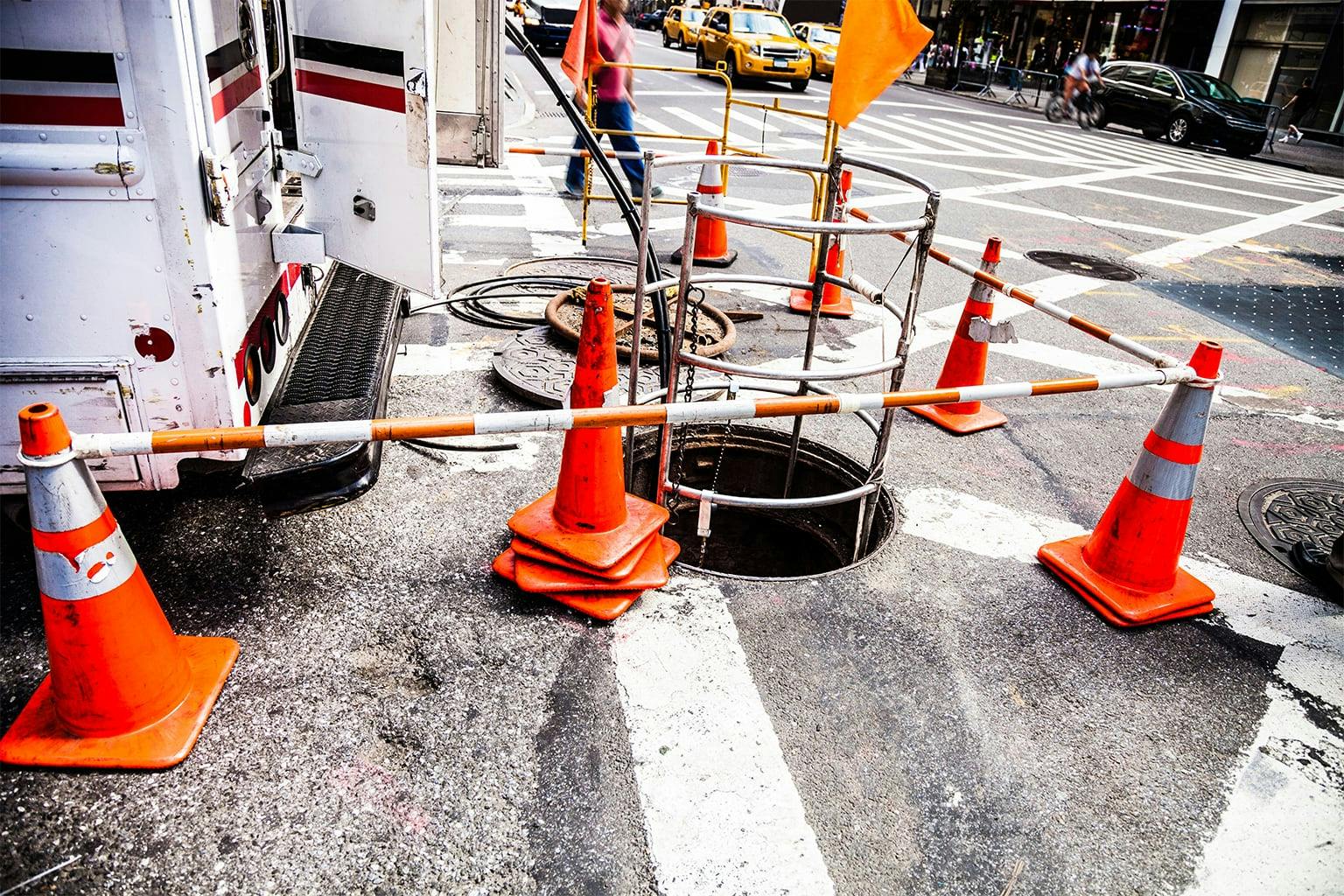
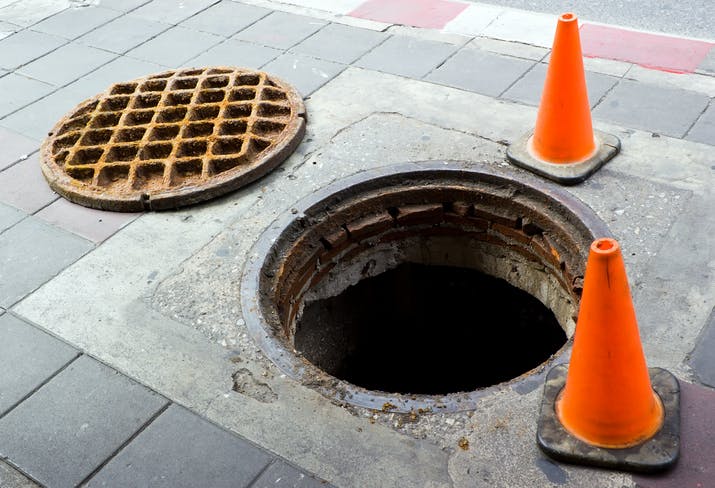
Manhole with no cover

The Numbers: Manhole Accidents in New York and Across the Country

Common Causes of Manhole Accidents in New York City

  • Displaced covers from heavy vehicle traffic: Trucks, buses, and construction equipment routinely dislodge manhole covers, as investigators believe occurred in the death of Donike Gocaj.
  • Failure to replace covers after utility work: Workers complete maintenance and leave covers off or improperly secured.
  • Deteriorated or defective covers: Covers that have corroded, cracked, or otherwise failed structurally.
  • Covers that have been stolen: Metal theft is a documented problem in New York City.
  • Inadequate inspection and maintenance programs: Utility companies and city agencies that fail to conduct regular audits of their infrastructure.
  • Failure to barricade or warn: Even when a cover is known to be missing or displaced, responsible parties sometimes fail to place barriers or warning signs.
  • Third-party damage: Construction activity, heavy equipment, or vehicle accidents that dislodge covers without the responsible party taking corrective action.
Banner media

Other Types of Manhole and Street Defect Cases

  • Uncovered manhole falls: The most severe category, involving complete displacement or absence of a maintenance hole cover, as in the Gocaj tragedy.
  • Defective manhole cover cases: Covers that are present but cracked, sunken, raised, or otherwise structurally compromised, causing trips, falls, and vehicle damage.
  • Manhole explosion cases: Con Edison utility holes are known to occasionally explode due to electrical faults, causing catastrophic burns and injuries to nearby pedestrians and workers.
  • Manhole steam and gas exposure cases: Victims who fall into or work near active utility manholes may be exposed to superheated steam, toxic gases, or electrical hazards.
  • Street defect and sidewalk cases: Closely related claims involving dangerous conditions in the public right-of-way, governed by overlapping premises liability and municipal law principles.
  • Wrongful death cases: When a manhole accident results in death, surviving family members may pursue separate wrongful death and conscious pain and suffering claims.

Common Injuries in Manhole Accidents

  • Traumatic brain injury (TBI) from impact with the walls or floor of the manhole shaft
  • Spinal cord injuries, including paralysis, from the force of the fall
  • Broken bones, such as arms, legs, hips, pelvis, and ribs
  • Internal organ damage from blunt force trauma to the torso
  • Severe burns and inhalational thermal injury from steam and superheated air inside active utility manholes, the exact injuries that killed Donike Gocaj
  • Cardiac arrest triggered by extreme heat exposure or the shock of the fall
  • Lacerations and crush injuries from the edges of the manhole opening or the shaft walls
  • Psychological trauma, including post-traumatic stress disorder, anxiety, and depression
    Death

What New York Law Requires

Manholes are part of the city’s infrastructure. They’re owned, operated, and maintained by specific parties who have clear legal obligations under New York law.

Under New York's premises liability framework, the entity responsible for a manhole owes a duty of reasonable care to all foreseeable users of the surrounding public space. That duty includes:

  • Maintaining the manhole cover in a secure condition
  • Conducting regular inspections
  • Responding promptly to known hazards
  • Barricading or warning the public when a cover is displaced or missing

When that duty is breached, and someone is hurt or killed as a result, New York law provides a path to justice.

Negligence under New York common law requires proof that:

  • The defendant owed a duty of care
  • The defendant breached that duty
  • The breach caused the plaintiff's injury
  • Damages resulted

Premises liability holds property owners and entities responsible for maintaining safe conditions. For public infrastructure, such as manholes, New York City Administrative Code § 7-201 governs claims against the City, generally requiring prior written notice of the specific defect. The exception here would be if the City itself created the condition.

Wrongful death claims are governed by New York Estates, Powers and Trusts Law § 5-4.1, which allows the estate of a deceased victim to recover for the pecuniary losses suffered by surviving family members.

Labor Law and utility regulations impose additional obligations on Con Edison and other utility companies that own and operate manholes throughout the five boroughs.

Schedule A Free Consultation

Contact Us

Who Can Be Held Liable

New York manhole accident cases routinely involve multiple defendants, each with their own legal obligations and insurance coverage. Potentially liable parties include:

  • Con Edison and other utility companies: Con Edison alone operates tens of thousands of manholes throughout New York City. Their duty to maintain secure covers, respond to displacement, and protect the public is non-negotiable under New York law.
  • New York City and its agencies: The NYC Department of Environmental Protection oversees manholes connected to the city's sewer system. The NYC Department of Transportation maintains street infrastructure. Where prior written notice of a hazard exists, or where the city created the condition, the City can be held liable.
  • Trucking and transportation companies: If a vehicle dislodges a manhole cover, the vehicle's owner, their employer, and the driver may each be responsible.
  • General contractors and subcontractors: Construction companies working near manholes have an obligation to secure infrastructure and protect the public.
  • Property owners: In some circumstances, adjacent property owners who had notice of a dangerous condition and failed to report or address it may share in liability.

The more defendants, the more sources of recovery. The Bull finds them all.

Types of Compensation and Damages

Economic damages

  • Past and future medical expenses
  • Lost wages and lost earning capacity
  • Rehabilitation and long-term care costs
  • Funeral and burial expenses (in wrongful death cases)

Non-economic damages

  • Pain and suffering
  • Emotional distress
  • Loss of enjoyment of life
  • Loss of consortium
  • Loss of parental guidance (in wrongful death cases involving children)

Punitive damages

In cases where the defendant's conduct was especially reckless or egregious, New York courts may award punitive damages designed to punish the wrongdoer and deter similar conduct in the future.

Background media

Let the Bull Fight For You

We’re not a firm that sends form letters and settles cheaply. Michael "The Bull" Lamonsoff built this practice from a windowless office in 1994 into one of New York City's largest and most decorated personal injury firms by refusing to let insurance companies and corporations dictate the value of a human life. Here's what sets The Bull apart:

  • 30+ years of relentless advocacy for injured New Yorkers in courtrooms, in depositions, and across the negotiating table
  • Six-time Super Lawyers honoree, recognition earned through results, not reputation management
  • We help shape the law with Michael’s position on the Board of Directors of the New York State Trial Lawyers Association
  • We have recovered seven-figure and multi-seven-figure results for our clients, earning our position as a Multi-Million Dollar Advocates Forum member 
  • We’re members of the American Association for Justice and the New York County Lawyers Association
  • We’re licensed in all New York State courts, the Southern District of New York, and the Eastern District of New York, meaning we’ll go wherever the fight takes us
  • We work on a contingency fee only, meaning you pay nothing unless we win

Steps to Take If You Were Injured in a Manhole Accident

Call 911 immediately

  • Get emergency medical help on the scene
  • Do not try to walk it off
  • Internal injuries, burns, and trauma from falls often present hours after the incident

Do not move the cover or disturb the scene if you are physically able to avoid it

  • Do what you can to preserve the evidence exactly as it is

Photograph and video everything

  • The open manhole
  • The displaced cover and its distance from the opening
  • Any warning signs or the absence of them
  • Your injuries
  • The surrounding area

Get witness information

  • Names
  • Phone numbers
  • Contact details

Report the incident

  • Call NYPD
  • Call 311
  • Report it to the relevant utility company
  • Get a report number for every call you make

Seek medical treatment, even if you feel okay

  • Document every visit, diagnosis, and prescription

Do not give a recorded statement to any insurance company or utility company representative without an attorney present

  • What you say can and will be used against you
Background media

You Don’t Have to Handle This Alone

The law is clear: Con Edison’s duty existed; someone failed; and, under New York law, that failure has consequences.

But consequences don't enforce themselves. You need a fighter who has been to this courtroom before, who knows these defendants, and who has the record to back up every demand they make.

That's The Bull.

Call us today. Your consultation is free, and you pay nothing unless we win.

Frequently Asked Questions

How long do I have to file a lawsuit for a manhole accident in New York?

The general statute of limitations for a personal injury claim in New York is three years from the date of the accident under CPLR § 214. For wrongful death claims, it is two years from the date of death under EPTL § 5-4.1. However, if the City of New York or any city agency is a potential defendant, a Notice of Claim must be filed within 90 days of the incident under General Municipal Law § 50-e. This is a hard deadline; miss it, and you may permanently lose your right to sue the City.

Is New York a comparative fault state?

Yes. New York follows a pure comparative negligence rule under CPLR § 1411. Even if you were partially at fault—for example, if you were distracted, it was dark, or you were jaywalking—you can still recover damages. Your recovery is reduced in proportion to your share of fault, but it is not eliminated.

What if the manhole had no warning signs or barriers?

The absence of barriers, cones, or warning signs around an open or displaced manhole is itself evidence of negligence. Responsible parties are required to secure hazardous openings and warn the public. Failure to do so strengthens your claim significantly.

Can I sue Con Edison for a manhole accident?

Yes. Con Edison owes a duty of care to the public regarding the manholes it owns and operates. If Con Edison's failure to maintain, inspect, or respond to a hazardous manhole contributed to your injury, you have grounds to pursue a claim against them.

What if I don't know who owns the manhole?

We find out for you. Identifying the responsible party, whether it's Con Edison, the City, another utility, or a contractor, is part of the investigative work our firm does from the moment you retain us.

What is the legal process for a manhole accident case?

After you retain us, we begin the investigation immediately. If a city agency is involved, we file a Notice of Claim within the 90-day window. We then pursue the claim through negotiations with the defendants' insurers, and if a fair settlement cannot be reached, we file suit and proceed to trial.

Legal Disclaimer

The information contained on this page is provided for general informational purposes only and does not constitute legal advice. Visiting this page or contacting our firm does not create an attorney-client relationship. Every case is unique; outcomes depend on specific facts and applicable law. Prior results do not guarantee similar outcomes in future matters. If you have been injured or have lost a loved one due to negligence, please consult with a qualified personal injury attorney regarding your specific situation. The Law Offices of Michael S. Lamonsoff, PLLC, handles personal injury matters on a contingency-fee basis; fees are collected only upon a successful recovery.

Accessibility: If you are vision-impaired or have some other impairment covered by the Americans with Disabilities Act or a similar law, and you wish to discuss potential accommodations related to using this website, please contact our Accessibility Manager at 212-962-1020.
Free Consultation