

27
Oct

How Long Does a Premises Liability Case Take to Settle in New York? 2026 Timelines
A New York premises liability case can settle in several months, take a year or two, or continue for several years if liability and damages are heavily disputed. There is no official statewide "average" settlement time that applies to every premises liability case. However, New Y...
View More27
Oct

Statute of Limitations for Premises Liability: Every Deadline You Need to Know
If you were injured because of a dangerous condition on someone else's property in New York, one of the most important questions is also one of the easiest to overlook: How long do you have to file a premises liability lawsuit? For many New York premises liability cases against p...
View More27
Oct

How to Prove "Notice" in a Premises Liability Case: Actual vs. Constructive Notice
Proving that a dangerous condition existed is only part of a New York premises liability case. In many cases, the critical question is whether the property owner, landlord, business, or other responsible party knew or should have known about the hazard before the accident occurre...
View More27
Oct

Why Slip and Fall Cases Get Denied in New York: 8 Insurance Company Defenses
Slip and fall cases in New York are often denied because insurance companies dispute one or more of the basic elements needed to establish liability. The insurer may argue that the property owner did not know about the dangerous condition, that the defect was too insignificant to...
View More27
Oct

What If the Property Owner Has No Insurance? Your Options After a NYC Premises Injury
You were injured because of a dangerous condition on someone else's property. The evidence points to negligence. Then you learn something alarming: The property owner says there is no insurance. Does that mean there is no case? Not necessarily. When a New York City property owner...
View More27
Oct
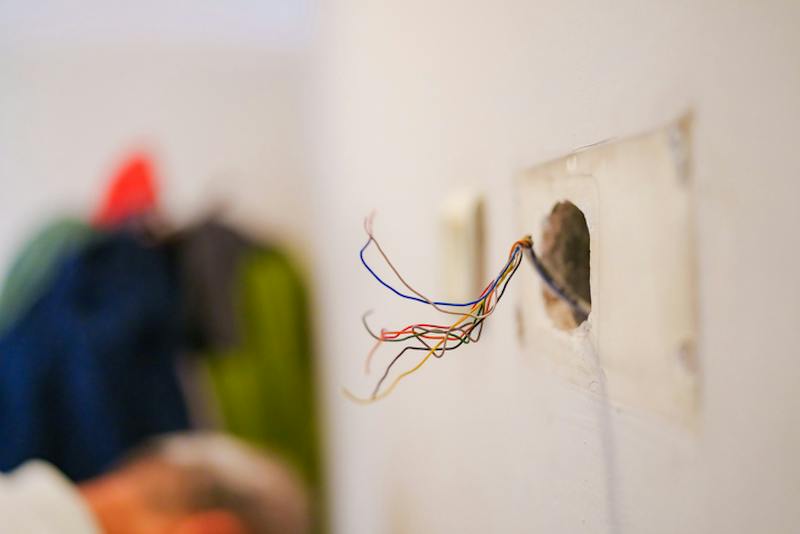
Electrocuted by Faulty Wiring in Your Apartment: Proving Landlord Negligence
An electrical shock in a New York City apartment can cause devastating injuries. When the source is faulty wiring, a defective outlet, exposed electrical components, or another dangerous condition within the building, one of the first questions is whether the landlord can be held...
View More27
Oct
Why Elevator Companies and Building Owners Deny Liability After an Accident
When an elevator accident causes a serious injury, the building owner, elevator company, maintenance contractor, and their insurers may quickly begin looking for reasons why they should not be held responsible. They may argue that the elevator recently passed an inspection. They ...
View More27
Oct

Is Premises Liability Part of General Liability?
If you've suffered an injury on someone else’s property, whether it’s a slip on an icy sidewalk, a fall in a poorly lit stairwell, or an injury due to faulty security, you’ve likely heard the term premises liability. But when it comes to legal claims and i...
View More27
Oct

Elevator Accident Settlements
Elevator accidents can result in severe injuries and significant financial burdens for victims. Whether due to mechanical failure, improper maintenance, or other factors, these incidents can have lasting consequences. An experienced elevator accident lawyer can help you identify ...
View More27
Oct
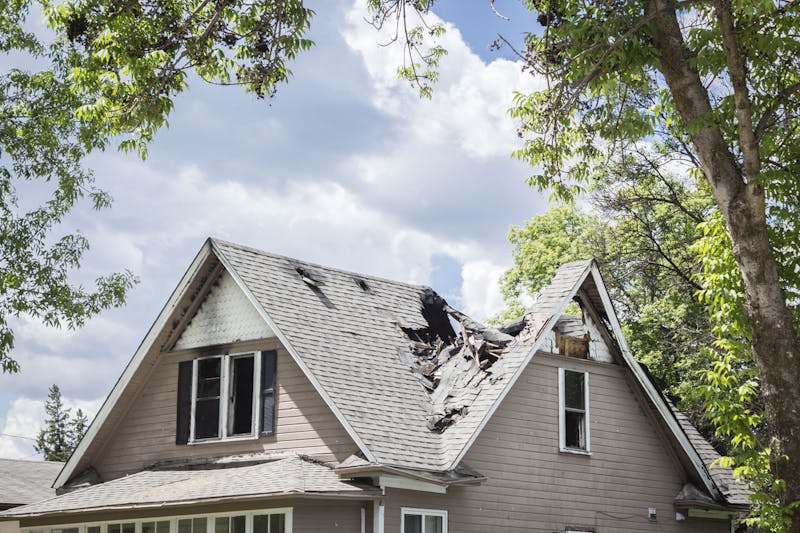
What to Do if Your Roof Collapses?
The sudden and unexpected collapse of a roof can cause severe trauma, including head injuries, broken bones, spinal cord injuries, and internal organ damage. Victims may also experience emotional distress, anxiety, and post-traumatic stress disorder (PTSD) as a result of the trau...
View More