
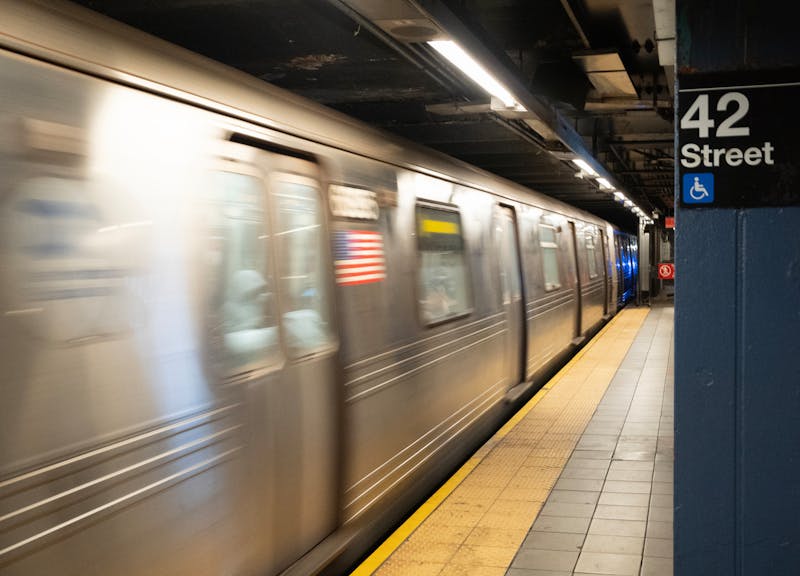
Yes - The MTA and its subsidiary NYCTA (going forward “MTA”) own and operate the subway system. They have a non-delegable duty to keep platforms and tracks reasonably safe for foreseeable risks— Crowded platforms are foreseeable. Intoxicated passengers are foreseeable. Medical emergencies are foreseeable. Slippery surfaces and debris near the platform edge are foreseeable. New York law is clear: the MTA owes a duty of care to passengers, bystanders, workers, and families, and when that duty is breached, compensation can be recovered.
You May Have a Case — Even If You Think You Don’t:
Being involved in a subway track accident is one of the most traumatic experiences a New Yorker can face. Many victims assume they have no legal claim because of how they ended up on the tracks. They believe that if they were intoxicated, fainted, had a seizure, slipped, or fell during overcrowding, the incident must be their fault. However, that is not the law.
Operator Negligence
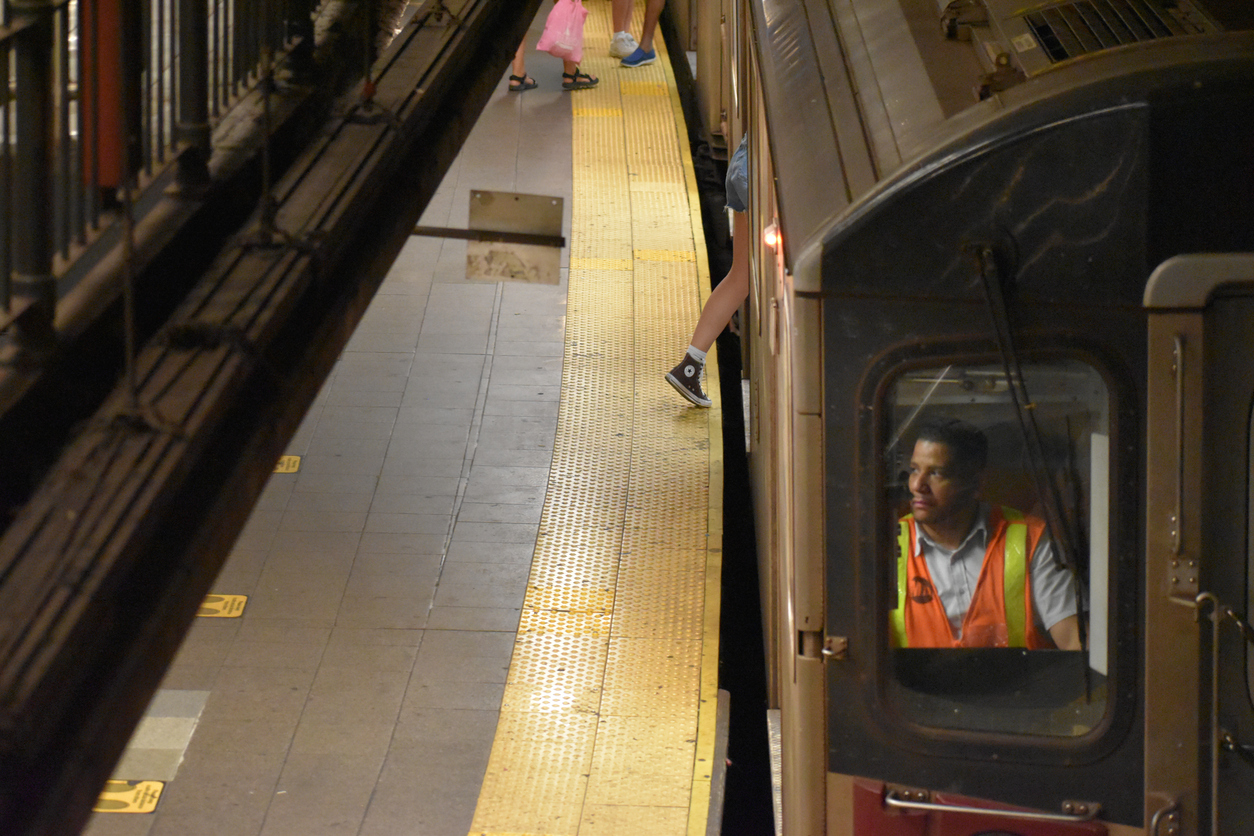
Subway train operators are entrusted with the safe operation of powerful, fast-moving equipment in densely populated environments. While courts recognize the inherent limitations of train travel, including stopping distance and restricted maneuverability—operators are still required to exercise reasonable care under the circumstances. When they fail to do so, serious and preventable injuries can occur.
Failure to Brake or Respond to a Person on the Tracks
Operator negligence may arise where a train operator fails to take appropriate action upon observing, or when they should have observed, a person on or near the tracks. This includes situations where the operator had sufficient time and distance to apply the brakes but failed to do so in a timely manner. Even within the constraints of subway operations, operators are expected to remain alert and responsive to foreseeable hazards.
Entering a Station at Unsafe Speed
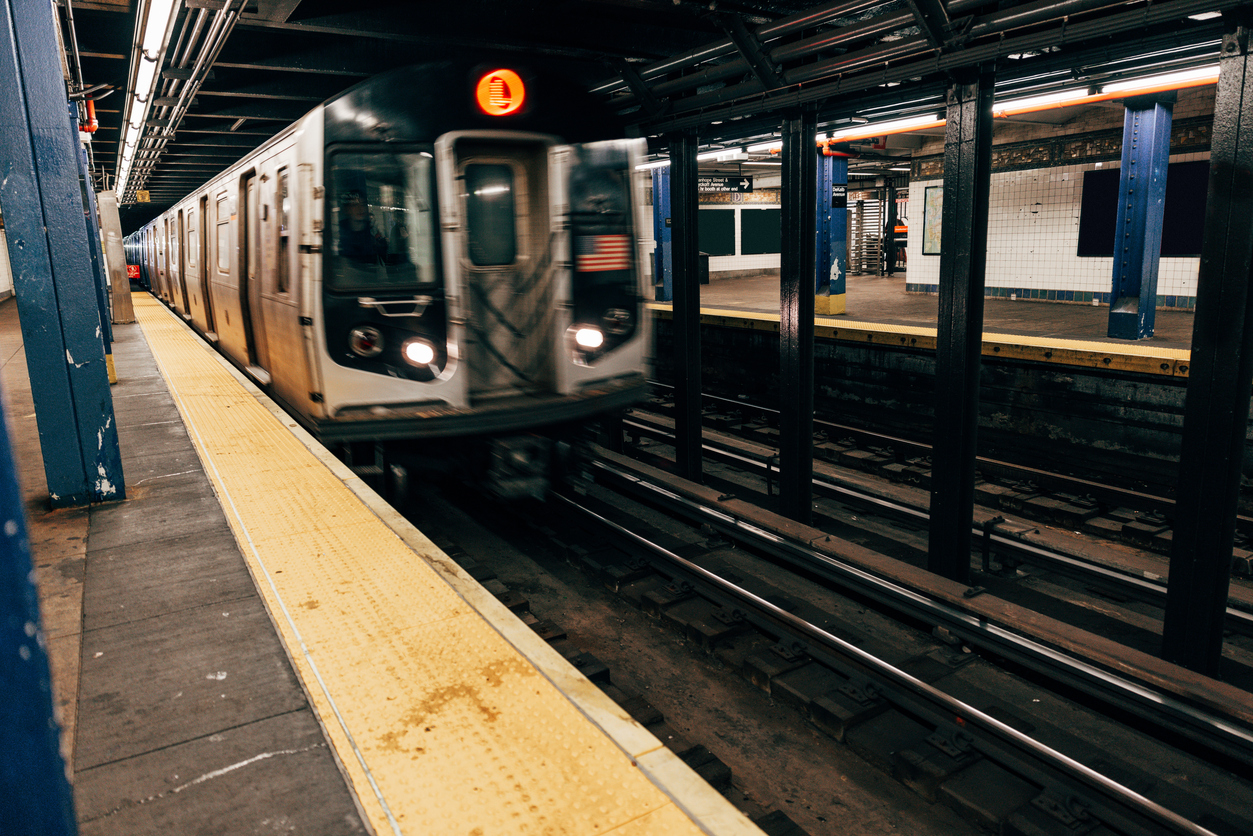
Negligence may also be found where a train enters a station at an excessive or unsafe speed given the conditions present. Stations are predictable zones of heightened risk, often involving crowded platforms, and frequent passenger movement. Operators must adjust their speed accordingly to ensure they can respond to emergencies as they arise.
Obstructed Operator Visibility
Operators must adjust their speed when there is unobscured visibility as they come into the subway platform. MTA can not have sharp turning tracks for their trains toward their approach of the subway station. This can limit their visibility as to the platform and tracks that lie ahead of them at the station.
Failure to Sound Warnings or Follow Safety Protocols
Operators are required to follow established safety protocols designed to prevent injury, including the use of warning signals such as the train horn. A failure to sound appropriate warnings, or to otherwise adhere to mandated operational procedures, may constitute a breach of duty where such failures contribute to a person being struck.
Crowded Platforms
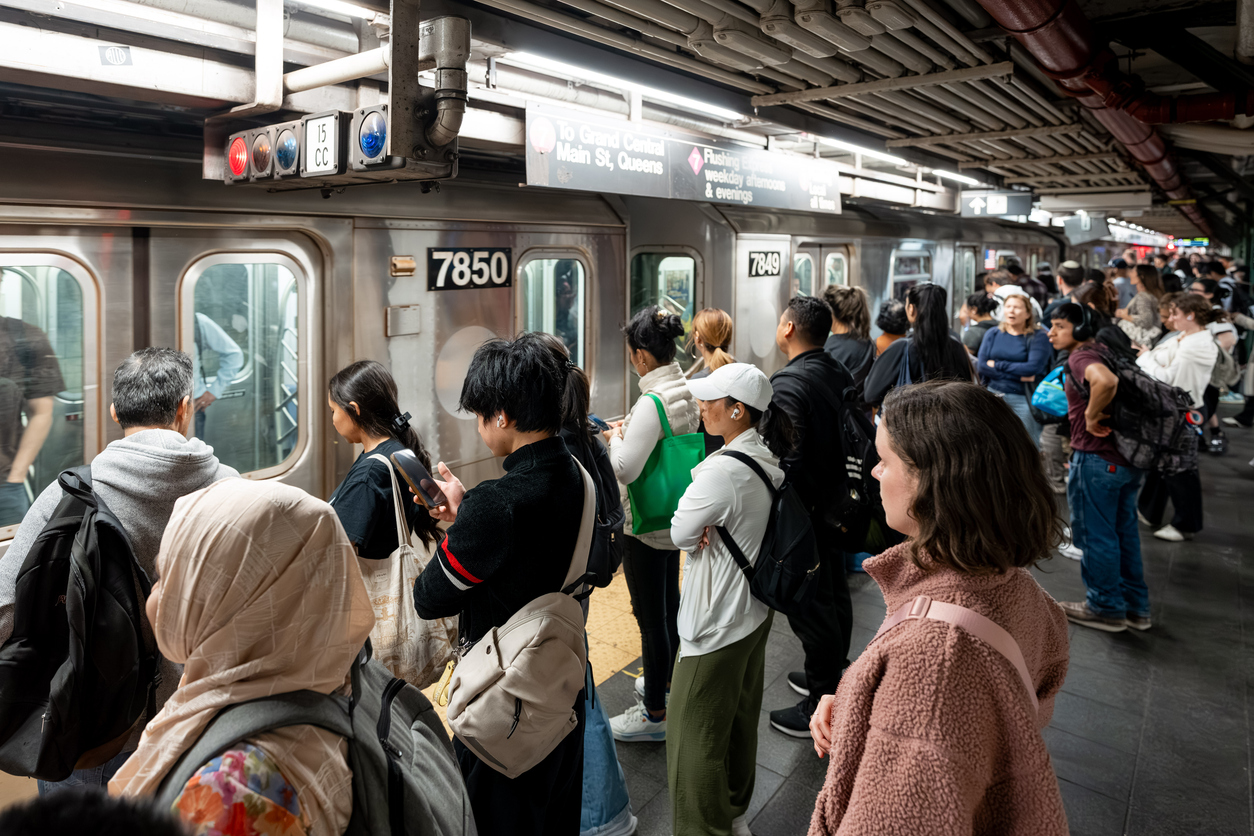
New York’s recently enacted congestion pricing laws have driven a significant number of residents into the NYC subway system. This surge in ridership has overcrowded an already strained transit network, forcing New Yorkers to rely on a system many perceive as increasingly unsafe and crime-ridden. This leads to Platform Congestion making the fall on the subway tracks far more likely.
Subway Barricades
New York City continues to operate with an open-platform configuration that is dangerously ineffective at preventing track access, catastrophic injury, and death.
The current platform edge design functions as a purely cosmetic safety measure. It gives the illusion of caution while providing no meaningful physical barrier against foreseeable harm. The recently installed partial barricades are inconsistent, limited in scope, and incapable of stopping a person from entering the tracks. Moreover, it creates confusion and a false sense of security.
After decades of documented falls, pushes, overcrowding incidents, and track intrusions, the system remains knowingly insufficient to prevent the very danger it is supposed to address. A safety measure that does not stop foreseeable catastrophic harm is not simply inadequate. It is foreseeably hazardous.
When these tragedies occur, the question is not whether the harm was imaginable. The question is why meaningful protection was never implemented.
Modern transit systems across the world use full-height platform screen doors to physically prevent passengers from accessing the tracks. Those systems recognize a simple truth: when there is no access to the tracks, there can be no fall, no push, no track intrusion.
Can I Sue the MTA If Someone Pushed Me Onto the Subway Tracks?
Yes, and this is one of the most important legal concepts to understand about MTA liability. When someone pushes you onto the subway tracks, the person who pushed you bears criminal and civil responsibility for that act. But their liability does not eliminate the MTA's.
The MTA has an independent legal obligation to maintain a reasonably safe environment on its platforms. That means adequate lighting, effective crowd control, functioning surveillance cameras, and a security presence sufficient to deter and respond to foreseeable violence. When the MTA fails to meet that obligation, and someone is pushed onto the tracks as a result, the MTA can be held liable for negligent security.
Assaults and pushings onto subway tracks have increased in New York City in recent years, with multiple high-profile incidents resulting in significant MTA negligent security verdicts, according to reporting by the New York Law Journal and transit safety litigation coverage. In many of these cases, attorneys established that the MTA had prior notice of dangerous conditions on the same platform, prior incidents, prior complaints, or a documented pattern of security failures, and failed to act. Prior similar incidents on the same platform are among the strongest evidence in a negligent security case. If someone was pushed or assaulted at the same station before your incident, that history goes directly to the question of whether the MTA knew or should have known that the platform posed a security risk.
The MTA's own Annual Safety Report tracks incident data across the system. According to MTA safety data, approximately 200 to 300 people are struck by MTA trains annually in New York City — a figure that reflects accidents, medical emergencies, and assaults alike. That data can be used to establish the foreseeability of harm on a system-wide or station-specific basis. The MTA's duty to provide a reasonably safe environment exists regardless of who caused the harm. You can pursue both the individual who pushed you, through criminal prosecution, and a separate civil lawsuit against the MTA for its failure to provide adequate security.
What strengthens the claim against the MTA is evidence of what the MTA failed to do: Was there a security guard on the platform? Were the cameras functioning? Was the platform overcrowded without crowd control measures in place? Was MTA police present or nearby?
These are the questions your attorney will investigate immediately because the answers determine how strong your negligent security claim is against the authority.
Document everything you can recall: the time and platform, how crowded it was, whether you saw any MTA employees or transit police, and whether surveillance cameras were visible. Your attorney will send a litigation hold letter to preserve that CCTV footage before it is overwritten, typically within 30 days or less under MTA retention practices.
Can I Sue the MTA If I Was Drunk When the Subway Accident Happened?
YES. It is a common misconception that a person who is intoxicated and falls onto subway tracks has no legal recourse. Under New York law, that is simply not true. While intoxication may be a factor in the case, it does not bar recovery. The critical question is not whether the individual was intoxicated, but whether the MTA and its operators acted reasonably under the circumstances. Even where a person falls onto the tracks due to intoxication, the transit authority still has an independent duty to operate trains safely, maintain stations in a reasonably safe condition, and take appropriate action to prevent foreseeable harm.
For example, liability may still be established where:
- A train operator failed to brake despite having sufficient time and distance to do so
- The train entered the station at an excessive or unsafe speed, reducing the ability to respond to an emergency
- The operator failed to sound warnings or follow required safety protocols upon approach
- The station was overcrowded, poorly monitored, or otherwise unsafe, increasing the likelihood of a fall
In these situations, the focus shifts to whether the incident was preventable. If evidence shows that the operator or transit authority had a reasonable opportunity to avoid the collision but failed to act, liability may attach regardless of the individual’s intoxication.
Ultimately, these cases are won by demonstrating that, despite the plaintiff’s condition, the MTA had the last clear chance to prevent the harm and failed to do so. When a dangerous situation unfolds on a subway platform or tracks, the duty to act does not disappear—and neither does the right to seek justice.
The Law Offices of Michael S. Lamonsoff handles comparative fault cases regularly. With nearly $1 billion recovered in verdicts and settlements and 150+ years of combined litigation experience, our team knows how to build the strongest possible case for your share of recovery, and how to fight back when the MTA's attorneys try to inflate your assigned fault percentage to minimize what they pay.

What Types of Subway Track Accidents Qualify for an MTA Lawsuit?
A wide range of incidents can form the basis of a valid MTA subway track accident claim. The common thread is MTA negligence: some failure by the authority to meet its legal duty of care that contributed to your injury.
Qualifying incident types include:
- Accidental falls onto the tracks — caused by platform gaps, slippery surfaces, inadequate lighting, broken platform edges, or crowd conditions without appropriate barriers or warnings. Whether or not the fall was as a result of intoxication, being pushed, medical infirmity and or emergence..
- Being struck by a train. Whether the victim fell, was pushed, or was struck during an attempted platform rescue. The MTA's response protocols and operator conduct are both subject to scrutiny.
- Door-related injuries — malfunctioning train doors that close on passengers, drag individuals, or fail to detect obstructions.
- Third-rail contact — incidents where victims come into contact with the electrified third rail, particularly in cases involving falls or track intrusions that the MTA's platform design or safety measures failed to prevent.
- Being struck in active track areas — including incidents involving maintenance workers, individuals who enter track areas during emergencies, or bystanders affected by train activity.
If you are unsure whether your specific incident qualifies, the answer is to speak with an attorney. The Law Offices of Michael S. Lamonsoff offers free consultations, is available 24/7, and can assist clients in English, Spanish, and Portuguese.

Can Family Members File a Wrongful Death Claim After a Fatal Subway Accident?
Yes. When a subway track accident results in death, surviving family members have the right to pursue a wrongful death claim against the MTA under NY Estates, Powers & Trusts Law § 5-4.1.
Under that statute, the personal representative of the deceased's estate files the wrongful death claim on behalf of the estate and the surviving family members. The categories of recoverable damages are significant:
- Lost future earnings — the income the deceased would have earned over their expected working life, calculated with the help of economic experts
- Medical expenses prior to death — any treatment costs incurred between the accident and the time of death
- Funeral and burial expenses
- Loss of parental guidance — for minor children who have lost a parent's care, support, and guidance
The statute of limitations for wrongful death claims in New York is two years from the date of death, separate from the standard MTA lawsuit deadline of 1 year and 90 days that applies to injury claims. However, the Notice of Claim requirement still applies, and that 90-day deadline runs from the date of the accident. Families who wait risk losing their right to bring any claim at all.
Michael "The Bull" Lamonsoff was selected to Super Lawyers from 2020 through 2026 by a rigorous process of peer nominations, independent research, and professional evaluation. He was also named to the American Institute of Personal Injury Attorneys' 10 Best Attorneys from 2020 through 2026 He and his firm are a member of both the Million Dollar and Multi-Million Dollar Advocates Forum. Michael Lamonsoff brings a level of recognition and litigation firepower that puts real pressure on the MTA and its insurers — pressure that translates into better outcomes for families navigating the worst moments of their lives.
With 1,500 five-star reviews on Avvo, Facebook, and Google, the firm's record speaks for itself.
Speak With an MTA Subway Accident Lawyer Today
Whether you were pushed, intoxicated, working on the tracks, or you lost a family member in a fatal subway accident, you may have a claim, and you deserve to know your options.
The Law Offices of Michael S. Lamonsoff is available 24/7, offers free consultations, and serves clients in English, Spanish, Portuguese, and all other languages.
Speak With an MTA Subway Accident Lawyer Today
Whether you were pushed, intoxicated, working on the tracks, or you lost a family member in a fatal subway accident, you may have a claim, and you deserve to know your options.
The Law Offices of Michael S. Lamonsoff is available 24/7, offers free consultations, and serves clients in English, Spanish, Portuguese, and all other languages. Our firm consistently has obtained some of the highest results, with nearly $1 billion recovered in verdicts and settlements, and 150+ years of combined litigation experience. Our team is ready to fight for everything you are owed.
Do not let the MTA's legal team decide what your case is worth. Call us today. You're not just hiring a lawyer. You're putting your case in the hands of a fighter. You're hiring The Bull.