
New York City’s subway system moves millions of people every day, yet basic, proven safety measures that could prevent catastrophic injuries remain largely absent from our platforms.
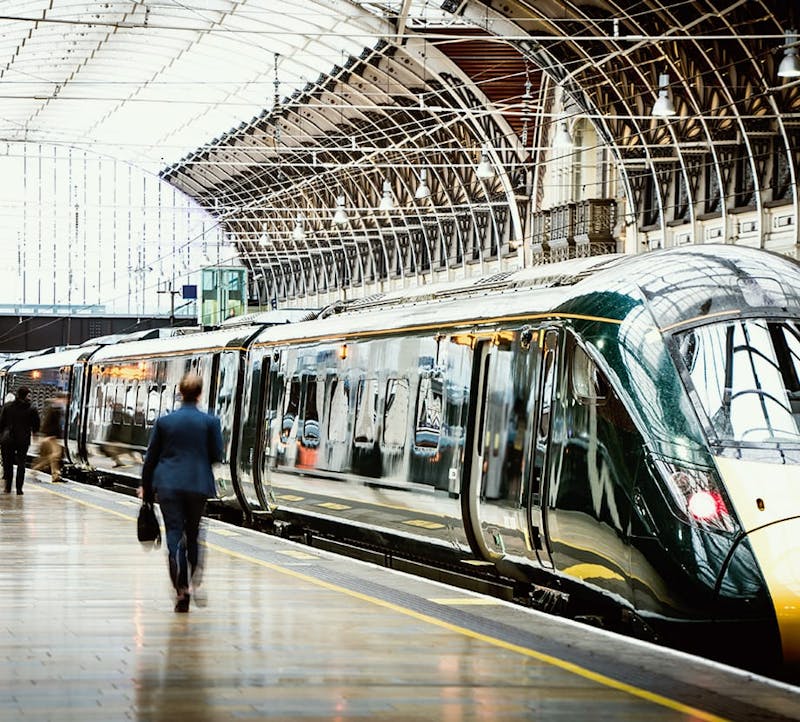
For decades, the Metropolitan Transportation Authority (MTA) has studied passenger safety and recognized that safer alternatives are available. Transit systems around the world, including those in Tokyo, utilize full platform screen doors that prevent physical access to the tracks. These barriers significantly reduce the risk of track intrusions and accidental falls. However, in New York City, most subway stations still have open platforms that provide direct, unprotected access to active tracks.
As subway accident attorneys who have secured record-breaking verdicts and who currently represent multiple victims struck by MTA trains at major stations across New York City, The Law Offices of Michael S. Lamonsoff have seen firsthand the devastating consequences of these systemic failures. When safety upgrades are delayed, minimized, or ignored, the result is often catastrophic and permanent injury.
The question is no longer whether safer options exist, but why they have not been fully implemented.
Open Platforms in a System That Knows Better
New York’s subway system continues to rely on open platforms, where passengers stand just inches from active tracks and approaching trains. In contrast, transit systems in cities like Tokyo have installed full platform screen doors that physically separate riders from the tracks and open only when a train is positioned correctly — a safeguard widely recognized for reducing falls and track intrusions.
Federal transit safety data indicate that rail systems worldwide have adopted physical barriers and enhanced operational controls to reduce serious injuries. Importantly, the MTA has studied these measures for years and is aware that safer alternatives exist.
The technology is not experimental; the precedent is well established. Yet across most New York City stations, meaningful physical separation remains absent. In one of the busiest transit systems in the world, where millions rely on daily service, leaving riders exposed to open tracks is not a minor oversight — it is a policy choice.
Risk Increases With Rising Crowd Numbers
Subway ridership continues to rebound as commuting patterns normalize and tourism remains strong. With increased ridership comes platform congestion. Crowding near platform edges creates dangerous conditions, resulting in:
- Accidental falls
- Intentional pushes
- Slips during train entry
- Medical emergencies near track level
The Human Cost of Inaction
We currently represent multiple victims who were struck by MTA trains in major stations across New York City. These are not abstract statistics, but lives permanently altered:
- Sutphin Boulevard–Archer Avenue–JFK Airport: Our client lay unconscious on the tracks for seven minutes before being struck by a train and remained there for another five minutes before emergency responders arrived. He lost his right leg below the knee and suffered a traumatic brain injury.
- East 180th Street–Gun Hill Road (2/5 line): Our client was struck and lost both legs above the knee. He also sustained a fractured pelvis, spinal fractures, and significant head trauma.
- Union Square (N/Q platform): Our client fell onto the tracks and was struck by an oncoming train, resulting in the loss of his hand.
Amputations. Brain trauma. Permanent disability. These are catastrophic, life-altering injuries. In each of these cases, they were not inevitable. Meaningful physical barriers, reduced train entry speeds, enhanced monitoring, or additional safeguards could have prevented the outcome.
How the MTA Responds
In our experience, when someone is struck by a subway train, the MTA is not quick to accept responsibility. It shifts blame, argues comparative fault, invokes procedural defenses, and relies on strict statutory deadlines.
Transit cases in New York are subject to aggressive time limits. In many cases, a Notice of Claim must be filed within 90 days under New York law. If you miss that deadline:
- Your claim may be barred
- Critical evidence can disappear
- Surveillance footage can be overwritten
- Witnesses can vanish
The MTA Will Begin Building Its Defense From Day One. So Should You.
Subway injury cases are not ordinary personal injury claims. They involve powerful public authorities, aggressive defense counsel, strict Notice of Claim deadlines, complex engineering evidence, and immediate efforts to shift blame onto the injured person.
From the moment an incident occurs, the MTA is protecting itself. You need a legal team prepared to do the same for you.
We are licensed in every New York State court and in the Federal District Courts for the Southern and Eastern Districts of New York. Our firm leadership has been elected to the Board of Directors of the New York State Trial Lawyers Association. We have secured multi-million-dollar verdicts and settlements and earned recognition from our peers for trial advocacy.
More importantly, we are actively representing victims who have suffered catastrophic amputations and traumatic brain injuries after being struck by MTA trains. We understand how these cases are defended and how they must be built to win.
If you or someone you love has been injured in a subway incident, do not wait.
Contact The Law Offices of Michael S. Lamonsoff for a free consultation today.